

Vietnam Currency Guide for First-Time Travelers
Planning a trip to Vietnam? Understanding the local currency can help you avoid scams, save money, and travel more confidently. This Vietnam currency guide covers everything from exchange rates to payment methods and practical money tips for tourists.
Vietnam is one of Southeast Asia’s most affordable destinations, but the country still relies heavily on cash in many areas. Knowing how Vietnamese money works before you arrive will make your travel experience smoother.
What Is the Currency Used in Vietnam?
The official currency of Vietnam is the Vietnamese đồng, commonly written as VND or simply “dong.”
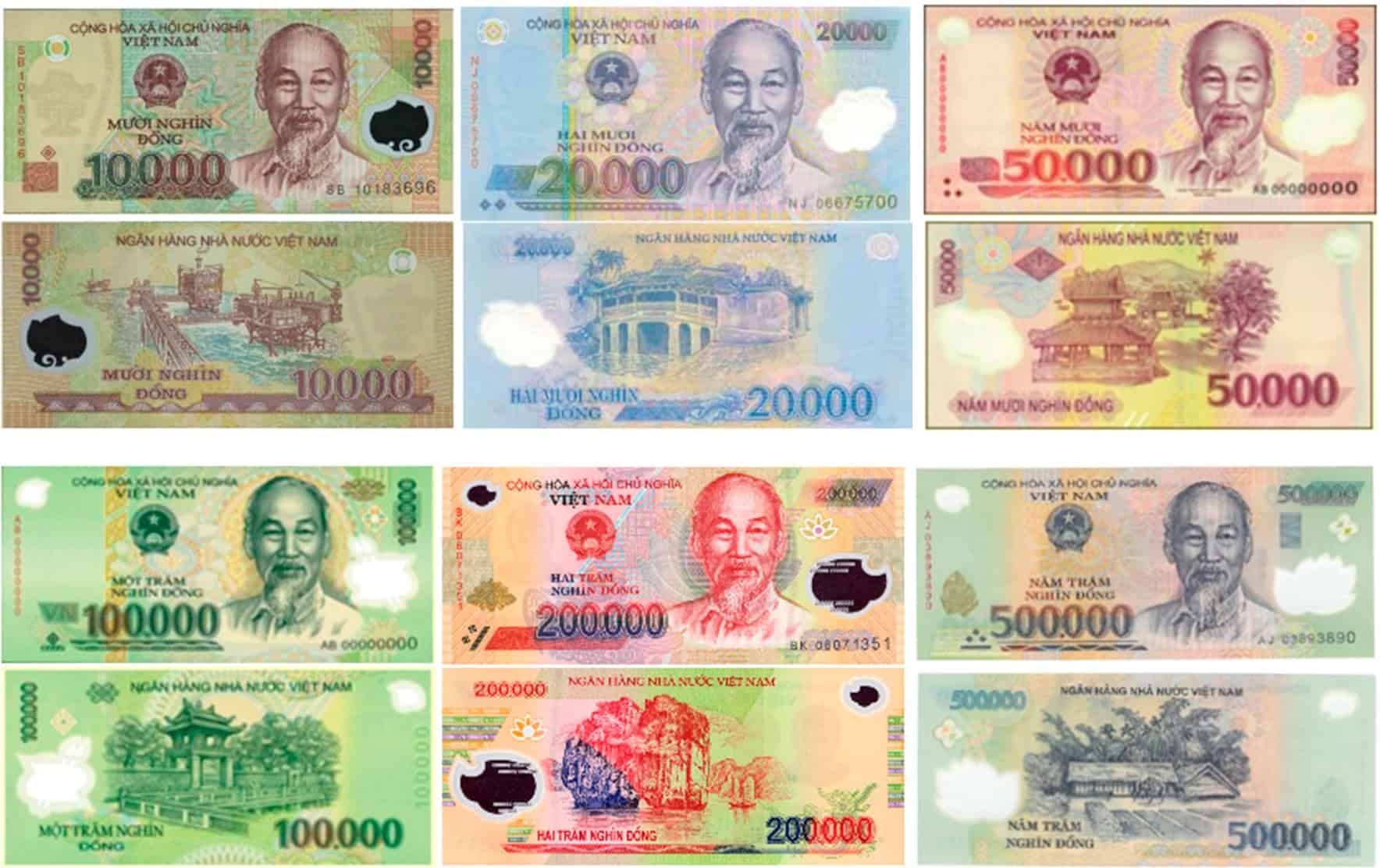
Banknotes currently in circulation include:
- 1,000 VND
- 2,000 VND
- 5,000 VND
- 10,000 VND
- 20,000 VND
- 50,000 VND
- 100,000 VND
- 200,000 VND
- 500,000 VND
Many travelers are surprised by the large number of zeros. For example:
- 100,000 VND ≈ a few US dollars
- 500,000 VND is the highest common bill
Because several notes share similar colors, tourists sometimes confuse 20,000 VND and 500,000 VND bills. Always double-check before paying.
Current Vietnam Exchange Rate
Exchange rates change daily depending on the global market.
Here’s a quick currency converter example:
Typical approximate rates include:
- 1 USD ≈ 25,000–26,000 VND
- 1 EUR ≈ 28,000–30,000 VND
- 1 GBP ≈ 33,000–35,000 VND
For the best rates, check reliable exchange platforms or bank apps before your trip.
Should You Bring Cash or Use Cards in Vietnam?
Cash Is Still Important
Although digital payments are growing rapidly in Vietnam, cash remains essential in many situations:
- Street food vendors
- Local markets
- Small cafés
- Rural destinations
- Taxis and motorbike rides
You should always carry small denominations when traveling around Vietnam.
Cards Are Widely Accepted in Cities
Hotels, shopping malls, restaurants, and modern cafés in cities like:
- Hanoi
- Ho Chi Minh City
- Da Nang
usually accept:
- Visa
- Mastercard
- JCB
- Apple Pay
- Google Pay
However, some businesses charge a small card processing fee.
Where to Exchange Money in Vietnam
Best Places to Exchange Currency
The safest options include:
- Vietnamese banks
- International airports
- Licensed gold shops
- Currency exchange counters in tourist districts
Banks usually provide transparent and reliable exchange rates.
Avoid Unofficial Exchanges
Do not exchange money with random street vendors or unlicensed services. Counterfeit bills and poor rates can become a problem.
Using ATMs in Vietnam
ATMs are easy to find in major cities and tourist destinations.
Popular Vietnamese banks include:
- Vietcombank
- Techcombank
- BIDV
- ACB
ATM Tips for Travelers
- Most ATMs charge withdrawal fees
- Notify your bank before international travel
- Use airport ATMs only for emergency cash
- Withdraw larger amounts to reduce fees
How Much Money Do You Need in Vietnam?
Vietnam is known for budget-friendly travel.
Budget Traveler
- $20–40/day
- Hostels, street food, local buses
Mid-Range Traveler
- $50–120/day
- Hotels, restaurants, domestic flights
Luxury Traveler
- $150+/day
- Resorts, fine dining, private tours
Vietnam Money Tips to Avoid Common Tourist Mistakes
Learn the “Thousand Rule”
Vietnamese people often omit the last three zeros in conversation.
For example:
- “50” usually means 50,000 VND
- “100” means 100,000 VND
Separate Large Bills
Keep smaller bills in an accessible pocket to avoid confusion during quick purchases.
Count Your Change Carefully
Especially in crowded tourist areas or night markets.
Is Vietnam Cheap for Foreign Tourists?
Compared to many Western countries, Vietnam offers excellent value for money.
You can enjoy:
- Delicious street food
- Affordable transportation
- Budget-friendly accommodations
- Cheap domestic flights
This affordability is one reason Vietnam continues to attract millions of international visitors every year.
Frequently Asked Questions About Vietnam Currency
Can I use US dollars in Vietnam?
Some hotels and tour agencies may accept USD, but Vietnamese Dong is the official payment method almost everywhere.
Is tipping common in Vietnam?
Tipping is appreciated but not mandatory. In restaurants, travelers often leave 5–10%.
Are mobile payments popular in Vietnam?
Yes. Apps and QR payments are growing quickly, especially in large cities.
Final Thoughts
Understanding Vietnam’s currency system can help you travel smarter, avoid unnecessary fees, and enjoy a stress-free experience.
Whether you’re exploring bustling cities or remote mountain villages, carrying Vietnamese Dong and knowing basic money tips will make your journey far more convenient.
If you’re planning a Vietnam trip soon, bookmark this Vietnam currency guide and check the latest exchange rates before departure.
✈️ Let’s Plan Your Vietnam Journey
Every trip starts with an idea. We’re here to turn that idea into a seamless and unforgettable experience.
Tell us what you’re looking for - and we’ll design a Vietnam tour that feels truly yours.
👉 Start planning your Vietnam trip with VietAsia Travel today.