

Traveling across Vietnam by train is one of the most authentic and scenic ways to experience the country. From bustling cities to coastal landscapes and mountain regions, Vietnam’s railway system offers travelers a slower but unforgettable journey through local life, culture, and breathtaking scenery.
Whether you are planning a backpacking adventure, a luxury vacation, or a budget-friendly itinerary, this Vietnam train travel guide covers everything you need to know - routes, ticket booking tips, sleeper cabins, prices, safety advice, and the best train journeys in Vietnam.
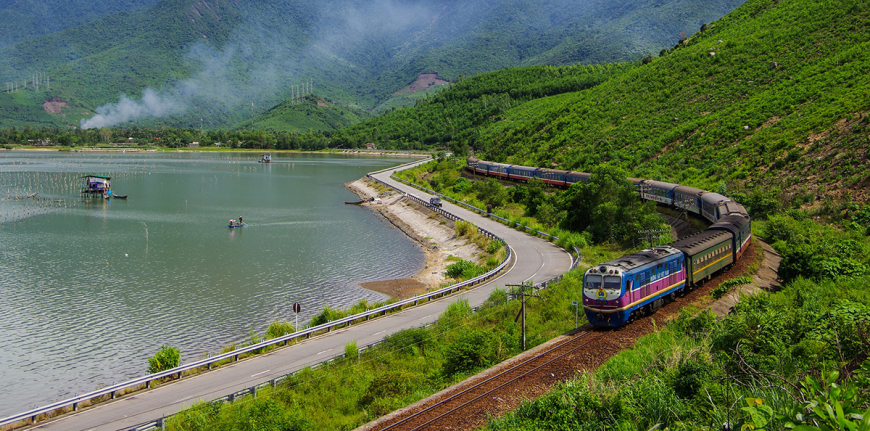
Why Travel Vietnam by Train?
Unlike domestic flights, train travel in Vietnam allows you to truly experience the country’s landscapes and local atmosphere. The railway stretches over 1,700 km from north to south, connecting major destinations including Hanoi, Da Nang, Hue, Nha Trang, and Ho Chi Minh City.
Benefits of Vietnam Train Travel
- Affordable transportation for long-distance journeys
- Scenic coastal and countryside views
- Comfortable overnight sleeper cabins
- Lower environmental impact compared to flying
- Opportunity to meet local travelers
- Convenient city-center train stations
For many travelers, the journey itself becomes a highlight of the trip.
Vietnam Railway System Explained
The primary rail route in Vietnam is known as the North–South Railway or the Reunification Express. This railway line connects Hanoi in the north with Ho Chi Minh City in the south.
Although the full trip takes approximately 32–36 hours, most travelers break the journey into multiple stops.
Popular Vietnam Train Routes
Hanoi to Sapa Train
While there is no direct train to Sapa, travelers can take an overnight train from Hanoi to Lao Cai, then continue by bus or taxi to Sapa.
Best for:
- Mountain landscapes
- Rice terraces
- Ethnic minority culture
- Trekking adventures
Hanoi to Hue Train
This route is popular among travelers exploring central Vietnam. The overnight train provides sleeper cabins and comfortable seating options.
Travel time:
- Approximately 13–14 hours
Hue to Da Nang Train
This is widely considered one of the most scenic train rides in Southeast Asia thanks to the stunning Hai Van Pass.
Highlights include:
- Ocean views
- Mountain scenery
- Coastal villages
- Dramatic cliffs
Da Nang to Nha Trang Train
A great route for beach lovers traveling along Vietnam’s coastline.
Ho Chi Minh City to Phan Thiet Train
Ideal for travelers heading to Mui Ne and southern beach destinations.
Types of Trains in Vietnam
Vietnam offers several train categories depending on comfort level and budget.
SE Trains (Express Trains)
The SE trains are the fastest and most popular long-distance trains.
Examples:
- SE1
- SE3
- SE5
- SE7
These trains usually offer:
- Air conditioning
- Soft sleeper cabins
- Hard sleeper cabins
- Soft seats
- Dining services
Tourist Trains
Some private companies operate upgraded tourist carriages attached to regular Vietnam Railways trains.
Popular options include:
- Livitrans Express
- Violette Train
- Lotus Train
- Chapa Express
These are especially common on the Hanoi–Sapa route.
Vietnam Train Classes Explained
Choosing the right train class can significantly improve your travel experience.
Hard Seat
- Cheapest option
- Basic seating
- Suitable for short daytime trips
Soft Seat
- Reclining seats
- Air-conditioned
- Better comfort for medium journeys
Hard Sleeper
- Six beds per cabin
- Budget-friendly overnight option
Soft Sleeper
- Four beds per cabin
- More spacious and comfortable
- Best choice for overnight travel
For couples, families, or digital nomads, soft sleeper cabins are usually worth the extra cost.
How to Book Train Tickets in Vietnam
Booking Vietnam train tickets is relatively easy today thanks to online platforms and mobile apps.
Booking Methods
Official Railway Website
Travelers can book directly through Vietnam Railways.
Online Travel Platforms
Popular third-party booking sites often provide English-language support and easier payment options.
Train Stations
Tickets can also be purchased directly at railway stations throughout Vietnam.
Vietnam Train Ticket Prices
Prices depend on:
- Route distance
- Cabin type
- Train category
- Holiday seasons
Approximate ticket ranges:
| Route | Seat Ticket | Sleeper Ticket |
|---|---|---|
| Hanoi → Hue | $20–30 | $35–60 |
| Hue → Da Nang | $8–15 | Limited sleepers |
| Hanoi → Lao Cai | $15–25 | $30–50 |
| Ho Chi Minh → Nha Trang | $20–35 | $40–70 |
Booking early is highly recommended during:
- Tet Holiday
- Summer vacation
- National holidays
Best Scenic Train Journeys in Vietnam
Hai Van Pass Train Ride
The route between Hue and Da Nang is the most famous scenic railway in Vietnam.
Travelers can enjoy:
- Panoramic sea views
- Jungle-covered mountains
- Curving coastal tracks
- Fishing villages
Many consider this route a must-do Vietnam travel experience.
Coastal Route to Nha Trang
The railway south of Da Nang features long stretches of beautiful coastline and rural scenery.
Northern Mountain Railway
The Hanoi to Lao Cai train offers glimpses of northern Vietnam’s mountains and countryside.
Tips for Taking Trains in Vietnam
Arrive Early
Vietnamese train stations can become crowded, especially during peak travel seasons.
Aim to arrive:
- 30–60 minutes before departure
Keep Valuables Secure
While train travel is generally safe, keep passports, phones, and money close to you.
Bring Snacks and Entertainment
Long-distance train journeys can be slow. Prepare:
- Water
- Snacks
- Power bank
- Headphones
- Offline entertainment
Choose Lower Berths Carefully
Lower bunks are easier to access but may have more foot traffic and noise.
Is Train Travel in Vietnam Safe?
Yes, train travel in Vietnam is generally safe for tourists, solo travelers, and families.
However:
- Watch personal belongings
- Avoid unofficial ticket sellers
- Keep digital copies of travel documents
Vietnam’s railway system may not always run perfectly on time, but delays are usually manageable.
Vietnam Train Travel vs Domestic Flights
| Factor | Train | Flight |
|---|---|---|
| Cost | Usually cheaper | More expensive |
| Scenic Experience | Excellent | Limited |
| Comfort | Good for overnight trips | Faster but less immersive |
| Environmental Impact | Lower | Higher |
| Flexibility | Multiple stops possible | Faster point-to-point travel |
If you value experiences and scenery, trains are often the better option.
Suggested Vietnam Train Itinerary
Here is a popular north-to-south train route:
- Hanoi
- Sapa
- Hue
- Da Nang
- Hoi An
- Nha Trang
- Ho Chi Minh City
This itinerary combines mountains, beaches, cultural cities, and local experiences.
Final Thoughts on Vietnam Train Travel
Train travel in Vietnam is more than transportation - it is part of the adventure. Whether you are watching the sunrise over coastal cliffs, sharing meals with locals, or relaxing in a sleeper cabin after a day of exploring, Vietnam’s railways offer a unique and memorable way to discover the country.
For travelers seeking authentic experiences, affordability, and incredible scenery, exploring Vietnam by train remains one of the best ways to experience the heart of Southeast Asia.
✈️ Let’s Plan Your Vietnam Journey
Every trip starts with an idea. We’re here to turn that idea into a seamless and unforgettable experience.
Tell us what you’re looking for - and we’ll design a Vietnam tour that feels truly yours.
👉 Start planning your Vietnam trip with VietAsia Travel today.