

Vietnam continues to attract millions of international travelers every year thanks to its breathtaking landscapes, rich culture, affordable travel experiences, and world-famous cuisine. Before packing your bags, understanding Vietnam’s visa requirements is one of the most important steps for a smooth journey.
This Vietnam visa guide covers everything travelers need to know in 2026, including visa types, e-visa requirements, visa exemption countries, application procedures, processing times, and useful travel tips.
Whether you are planning a short vacation, business trip, or long-term stay, this guide will help you prepare confidently.
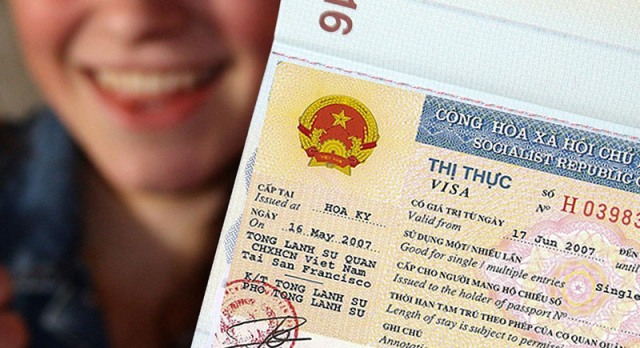
Who Needs a Visa for Vietnam?
Most foreign travelers need a visa to enter Vietnam. However, Vietnam offers visa exemptions for citizens of several countries for short stays.
Travelers from countries such as Japan, South Korea, Germany, France, Italy, Spain, the UK, and some ASEAN countries may enter Vietnam visa-free for a limited number of days depending on bilateral agreements.
For visitors who are not eligible for visa exemption, applying for a Vietnam visa online is usually the easiest option.
Types of Vietnam Visas
Vietnam offers several visa categories depending on the purpose of travel.
Tourist Visa
The tourist visa is ideal for travelers visiting Vietnam for leisure, sightseeing, or visiting family and friends.
Key features:
- Available as single-entry or multiple-entry
- Common validity: 30 days or 90 days
- Can be applied online through Vietnam’s e-visa system
Business Visa
Business visas are designed for foreigners attending meetings, conferences, or working with Vietnamese companies.
Requirements may include:
- Sponsorship from a Vietnamese company
- Business invitation letter
- Passport validity of at least 6 months
Student Visa
International students enrolled in Vietnamese educational institutions may apply for a student visa with support from their school.
Work Visa
Foreign professionals working in Vietnam typically require:
- Work permit
- Employer sponsorship
- Long-term visa or temporary residence card
Vietnam E-Visa Explained
Vietnam’s e-visa system has become the preferred option for many international travelers because it is fast and convenient.
What Is a Vietnam E-Visa?
A Vietnam e-visa is an electronic visa issued online by the Vietnamese immigration authorities. Travelers receive a digital visa approval that can be printed or shown electronically upon arrival.
Vietnam E-Visa Benefits
- Fully online application process
- No embassy visit required
- Faster processing times
- Accepted at multiple airports, land borders, and seaports
Vietnam E-Visa Validity
Currently, Vietnam e-visas can be issued for:
- Up to 90 days
- Single-entry or multiple-entry
How to Apply for a Vietnam Visa Online
Applying for a Vietnam visa online is straightforward if you follow the correct steps.
Step 1: Prepare Required Documents
You will typically need:
- A passport valid for at least 6 months
- Passport-sized photo
- Passport information page scan
- Valid email address
- Credit or debit card for payment
Step 2: Complete the Online Application
Fill out the visa application form carefully with accurate personal and travel information.
Double-check:
- Passport number
- Entry and exit dates
- Port of arrival
- Full legal name
Mistakes may cause delays or rejection.
Step 3: Pay the Visa Fee
Visa fees vary depending on:
- Visa type
- Number of entries
- Processing speed
Step 4: Receive Your E-Visa
Processing times are usually between 3–5 business days, although urgent services may be available.
Once approved, download and print your visa approval document.
Vietnam Visa on Arrival (VOA)
Visa on Arrival was previously popular among air travelers entering Vietnam. However, many visitors now prefer the e-visa system due to its simplicity.
Visa on Arrival generally requires:
- Pre-approval letter
- Passport photos
- Stamping fee at the airport
Travelers should verify whether VOA is still suitable for their nationality and travel plans.
Vietnam Visa Requirements in 2026
Requirements may vary slightly depending on nationality and visa category, but common conditions include:
- Passport validity of at least 6 months
- Blank passport pages
- Accurate application details
- Proof of onward travel in some cases
- Payment of applicable fees
Travelers are encouraged to apply several weeks before departure to avoid last-minute issues.
How Long Does Vietnam Visa Processing Take?
Standard processing times:
- E-visa: 3–5 business days
- Embassy visa: varies by location
- Urgent processing: sometimes available within 24–48 hours
During peak travel seasons, processing may take longer.
Vietnam Visa Extension and Renewal
Travelers wishing to stay longer in Vietnam may be able to:
- Extend their visa
- Apply for a new visa
- Exit and re-enter depending on regulations
Visa policies can change frequently, so checking the latest immigration updates is important before planning a long-term stay.
Common Vietnam Visa Mistakes to Avoid
Incorrect Passport Information
Even a small typo can result in entry problems.
Applying Too Late
Submit your visa application early to avoid delays.
Using an Expired Passport
Your passport should remain valid for at least 6 months beyond your arrival date.
Choosing the Wrong Visa Type
Tourist, business, and work visas have different requirements and permissions.
Tips for a Smooth Arrival in Vietnam
To make your arrival stress-free:
- Print a copy of your e-visa
- Keep hotel booking information accessible
- Carry some local currency
- Prepare immigration documents before landing
- Check customs regulations before travel
Frequently Asked Questions About Vietnam Visas
Can I get a Vietnam visa online?
Yes. Many travelers can apply through Vietnam’s e-visa system.
How much is a Vietnam visa?
Costs vary depending on visa type, processing speed, and entry type.
Is Vietnam visa-free for all countries?
No. Only selected nationalities receive visa exemptions.
Can I extend my Vietnam visa?
In some situations, extensions may be possible depending on immigration policies.
Final Thoughts
Understanding Vietnam visa requirements before traveling can save time, money, and unnecessary stress. Thanks to the modern e-visa system, visiting Vietnam has become easier for travelers around the world.
Before booking your flight, always check the latest visa regulations and prepare your documents carefully. A little preparation ensures you can fully enjoy Vietnam’s incredible culture, landscapes, and hospitality from the moment you arrive.
If you are planning a trip to Vietnam in 2026 / 2027, applying for the correct visa early is the best way to start your journey smoothly.
✈️ Let’s Plan Your Vietnam Journey
Every trip starts with an idea. We’re here to turn that idea into a seamless and unforgettable experience.
Tell us what you’re looking for - and we’ll design a Vietnam tour that feels truly yours.
👉 Start planning your Vietnam trip with VietAsia Travel today.